
 https://www.nogalis.com/wp-content/uploads/2026/09/PeopleSoft-and-Oracle-EBS-Are-Supported-Through-2037.-So-Why-Are-Companies-Still-Retiring-Them.jpg
388
600
Angeli Menta
https://www.nogalis.com/wp-content/uploads/2013/04/logo-with-slogan-good.png
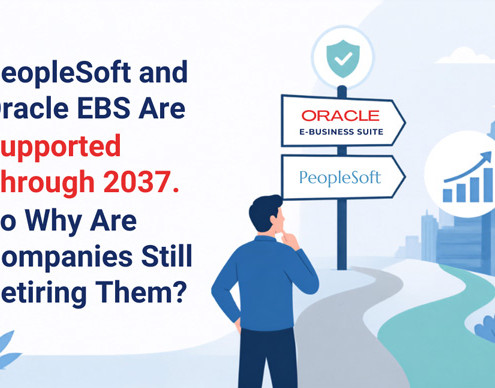
Angeli Menta2026-09-10 17:17:192026-09-10 17:42:30PeopleSoft and Oracle EBS Are Supported Through 2037. So Why Are Companies Still Retiring Them?
https://www.nogalis.com/wp-content/uploads/2026/09/PeopleSoft-and-Oracle-EBS-Are-Supported-Through-2037.-So-Why-Are-Companies-Still-Retiring-Them.jpg
388
600
Angeli Menta
https://www.nogalis.com/wp-content/uploads/2013/04/logo-with-slogan-good.png
Angeli Menta2026-09-10 17:17:192026-09-10 17:42:30PeopleSoft and Oracle EBS Are Supported Through 2037. So Why Are Companies Still Retiring Them?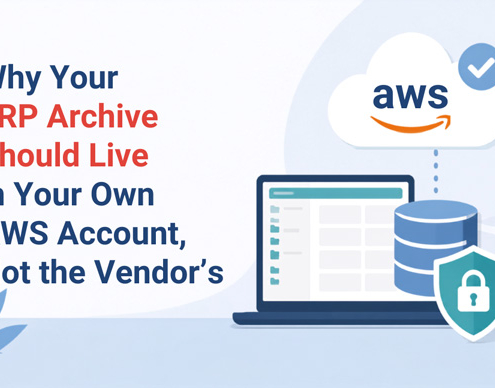 https://www.nogalis.com/wp-content/uploads/2026/09/Why-Your-ERP-Archive-Should-Live-in-Your-Own-AWS-Account-Not-the-Vendors.jpg
388
600
Angeli Menta
https://www.nogalis.com/wp-content/uploads/2013/04/logo-with-slogan-good.png
Angeli Menta2026-09-10 17:15:182026-09-10 17:15:18Why Your ERP Archive Should Live in Your Own AWS Account, Not the Vendor’s
https://www.nogalis.com/wp-content/uploads/2026/09/Why-Your-ERP-Archive-Should-Live-in-Your-Own-AWS-Account-Not-the-Vendors.jpg
388
600
Angeli Menta
https://www.nogalis.com/wp-content/uploads/2013/04/logo-with-slogan-good.png
Angeli Menta2026-09-10 17:15:182026-09-10 17:15:18Why Your ERP Archive Should Live in Your Own AWS Account, Not the Vendor’s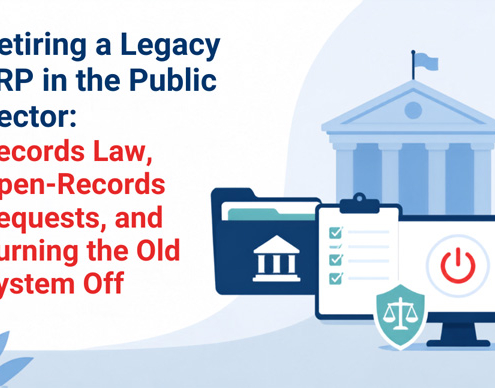 https://www.nogalis.com/wp-content/uploads/2026/09/Retiring-a-Legacy-ERP-in-the-Public-Sector-Records-Law-Open-Records-Requests-and-Turning-the-Old-System-Off.jpg
388
600
Angeli Menta
https://www.nogalis.com/wp-content/uploads/2013/04/logo-with-slogan-good.png
Angeli Menta2026-09-10 17:13:492026-09-10 17:13:49Retiring a Legacy ERP in the Public Sector: Records Law, Open-Records Requests, and Turning the Old System Off
https://www.nogalis.com/wp-content/uploads/2026/09/Retiring-a-Legacy-ERP-in-the-Public-Sector-Records-Law-Open-Records-Requests-and-Turning-the-Old-System-Off.jpg
388
600
Angeli Menta
https://www.nogalis.com/wp-content/uploads/2013/04/logo-with-slogan-good.png
Angeli Menta2026-09-10 17:13:492026-09-10 17:13:49Retiring a Legacy ERP in the Public Sector: Records Law, Open-Records Requests, and Turning the Old System Off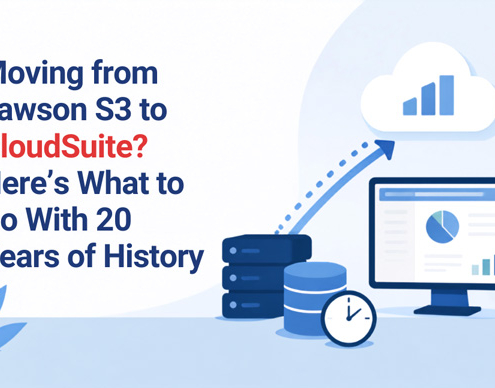 https://www.nogalis.com/wp-content/uploads/2026/09/Moving-from-Lawson-S3-to-CloudSuite-Heres-What-to-Do-With-20-Years-of-History.jpg
388
600
Angeli Menta
https://www.nogalis.com/wp-content/uploads/2013/04/logo-with-slogan-good.png
Angeli Menta2026-09-10 17:11:102026-09-10 17:11:10Moving from Lawson S3 to CloudSuite? Here’s What to Do With 20 Years of History
https://www.nogalis.com/wp-content/uploads/2026/09/Moving-from-Lawson-S3-to-CloudSuite-Heres-What-to-Do-With-20-Years-of-History.jpg
388
600
Angeli Menta
https://www.nogalis.com/wp-content/uploads/2013/04/logo-with-slogan-good.png
Angeli Menta2026-09-10 17:11:102026-09-10 17:11:10Moving from Lawson S3 to CloudSuite? Here’s What to Do With 20 Years of History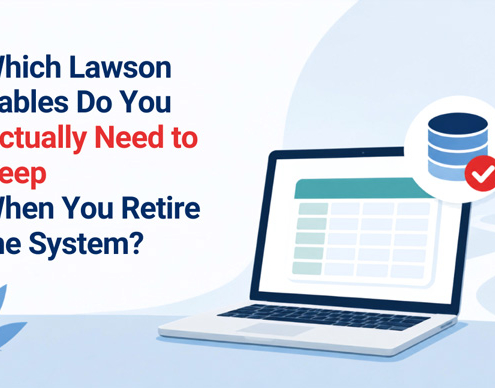 https://www.nogalis.com/wp-content/uploads/2026/09/Which-Lawson-Tables-Do-You-Actually-Need-to-Keep-When-You-Retire-the-System.jpg
388
600
Angeli Menta
https://www.nogalis.com/wp-content/uploads/2013/04/logo-with-slogan-good.png
Angeli Menta2026-09-10 17:08:222026-09-10 17:08:22Which Lawson Tables Do You Actually Need to Keep When You Retire the System?
https://www.nogalis.com/wp-content/uploads/2026/09/Which-Lawson-Tables-Do-You-Actually-Need-to-Keep-When-You-Retire-the-System.jpg
388
600
Angeli Menta
https://www.nogalis.com/wp-content/uploads/2013/04/logo-with-slogan-good.png
Angeli Menta2026-09-10 17:08:222026-09-10 17:08:22Which Lawson Tables Do You Actually Need to Keep When You Retire the System?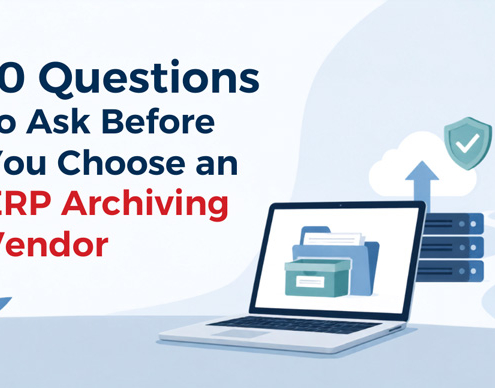 https://www.nogalis.com/wp-content/uploads/2026/09/10-Questions-to-Ask-Before-You-Choose-an-ERP-Archiving-Vendor.jpg
388
600
Angeli Menta
https://www.nogalis.com/wp-content/uploads/2013/04/logo-with-slogan-good.png
Angeli Menta2026-09-10 16:59:062026-09-10 17:42:2910 Questions to Ask Before You Choose an ERP Archiving Vendor
https://www.nogalis.com/wp-content/uploads/2026/09/10-Questions-to-Ask-Before-You-Choose-an-ERP-Archiving-Vendor.jpg
388
600
Angeli Menta
https://www.nogalis.com/wp-content/uploads/2013/04/logo-with-slogan-good.png
Angeli Menta2026-09-10 16:59:062026-09-10 17:42:2910 Questions to Ask Before You Choose an ERP Archiving Vendor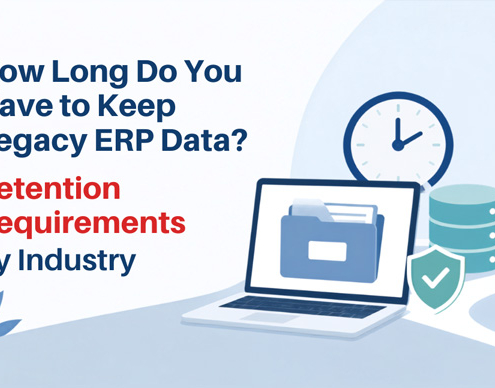 https://www.nogalis.com/wp-content/uploads/2026/09/How-Long-Do-You-Have-to-Keep-Legacy-ERP-Data-Retention-Requirements-by-Industry-1.jpg
388
600
Angeli Menta
https://www.nogalis.com/wp-content/uploads/2013/04/logo-with-slogan-good.png
Angeli Menta2026-09-10 16:55:072026-09-10 16:55:07How Long Do You Have to Keep Legacy ERP Data? Retention Requirements by Industry
https://www.nogalis.com/wp-content/uploads/2026/09/How-Long-Do-You-Have-to-Keep-Legacy-ERP-Data-Retention-Requirements-by-Industry-1.jpg
388
600
Angeli Menta
https://www.nogalis.com/wp-content/uploads/2013/04/logo-with-slogan-good.png
Angeli Menta2026-09-10 16:55:072026-09-10 16:55:07How Long Do You Have to Keep Legacy ERP Data? Retention Requirements by Industry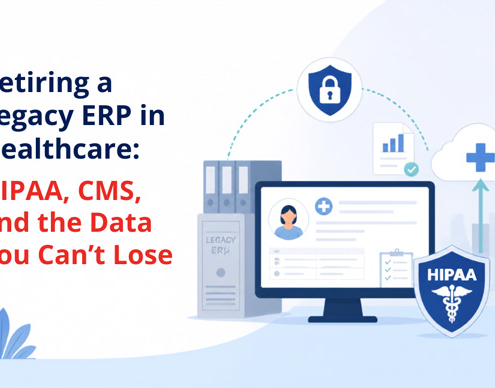 https://www.nogalis.com/wp-content/uploads/2026/09/Retiring-a-Legacy-ERP-in-Healthcare-HIPAA-CMS-and-the-Data-You-Cant-Lose.jpg
388
600
Angeli Menta
https://www.nogalis.com/wp-content/uploads/2013/04/logo-with-slogan-good.png
Angeli Menta2026-09-10 16:54:062026-09-10 16:54:06Retiring a Legacy ERP in Healthcare: HIPAA, CMS, and the Data You Can’t Lose
https://www.nogalis.com/wp-content/uploads/2026/09/Retiring-a-Legacy-ERP-in-Healthcare-HIPAA-CMS-and-the-Data-You-Cant-Lose.jpg
388
600
Angeli Menta
https://www.nogalis.com/wp-content/uploads/2013/04/logo-with-slogan-good.png
Angeli Menta2026-09-10 16:54:062026-09-10 16:54:06Retiring a Legacy ERP in Healthcare: HIPAA, CMS, and the Data You Can’t Lose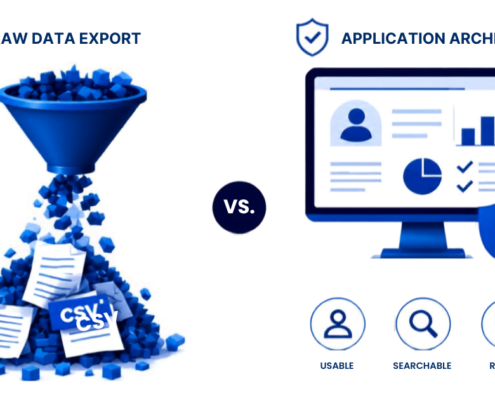 https://www.nogalis.com/wp-content/uploads/2026/09/Data-Lake-Export-versus-Application-Archive-Why-a-Raw-Dump-of-Your-ERP-Fails-the-People-Who-Need-It.png
630
1200
Angeli Menta
https://www.nogalis.com/wp-content/uploads/2013/04/logo-with-slogan-good.png
Angeli Menta2026-09-10 16:50:522026-09-11 16:28:23Data Lake Export vs. Application Archive: Why a Raw Dump of Your ERP Fails the People Who Need It
https://www.nogalis.com/wp-content/uploads/2026/09/Data-Lake-Export-versus-Application-Archive-Why-a-Raw-Dump-of-Your-ERP-Fails-the-People-Who-Need-It.png
630
1200
Angeli Menta
https://www.nogalis.com/wp-content/uploads/2013/04/logo-with-slogan-good.png
Angeli Menta2026-09-10 16:50:522026-09-11 16:28:23Data Lake Export vs. Application Archive: Why a Raw Dump of Your ERP Fails the People Who Need It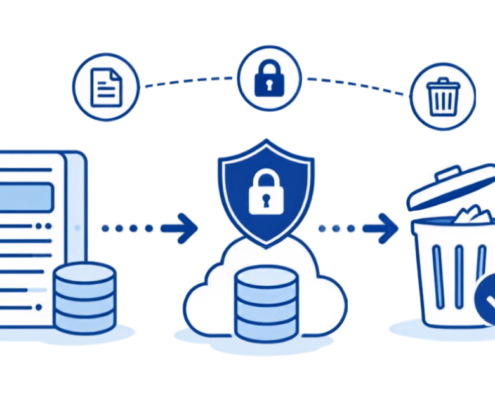 https://www.nogalis.com/wp-content/uploads/2026/09/What-Actually-Happens-to-Your-Data-When-You-Decommission-a-Legacy-ERP-.png
630
1200
Angeli Menta
https://www.nogalis.com/wp-content/uploads/2013/04/logo-with-slogan-good.png
Angeli Menta2026-09-10 16:49:122026-09-11 16:23:12What Actually Happens to Your Data When You Decommission a Legacy ERP
https://www.nogalis.com/wp-content/uploads/2026/09/What-Actually-Happens-to-Your-Data-When-You-Decommission-a-Legacy-ERP-.png
630
1200
Angeli Menta
https://www.nogalis.com/wp-content/uploads/2013/04/logo-with-slogan-good.png
Angeli Menta2026-09-10 16:49:122026-09-11 16:23:12What Actually Happens to Your Data When You Decommission a Legacy ERP