
Thanks to technology, the way we communicate with others on a daily basis in both the personal and professional level has dramatically evolved. With the advancements in the workplace, office work, business transactions, meetings, and data/information transfers are being done faster than ever. First, computers transformed the way we worked. Then, the internet enabled real-time collaboration between workers in every corner of the world. Today, smartphones help us work from anywhere, at any time, in what has become known as the always-on economy. Let’s take a look at how communication in the workplace has evolved, thanks to technology.

  • It all started with a memo – In the business world, letters were formal, descriptive messages usually meant for clients and customers. Memos, short for memorandums, were the informal, yet professional enough, means of communication among colleagues, superiors, and other personnel within an organization. As useful as these hand written and somewhat confidential messages were to the workplace, they were “slow” in means of communication for a busy workplace.
  • Then came the e(lectronic) mail – With the help of the internet, email become the primary means of workplace communication. Not only was it a money and time saver, emails were also capable of sending mass messages to groups or people. Even with new advancements such as phones or messaging (which will be further discussed in the next bullet), email is still a very strong asset in business communication. Email, however, can be a bit slow if a person does not constantly check their inbox. Thanks to technology, there came another solution.
  • Instant messaging reigns as king – Since most people carry smartphones, businesses have tapped into their pocket sized computers and created the world of instant messaging as the primary and fastest means of communication. Workplace collaboration tools enable efficient business communication and foster learning-friendly cultures. Messaging, video and conference apps all fall under this instant messaging phenomena and have advanced business communication for the better.

Workplace communication has come a long way, all thanks to technology. There’s a right type of communication for everyone, and using multiple means of communication would be even more efficient. It’s exciting to wonder what next great tool will come along for workplace – and personal – communication.


For Full Article, Click Here

You may run into this error at some point in GL40.1:

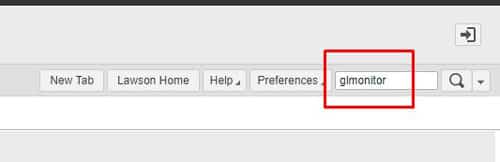
Fortunately, there’s an easy fix to this. First login to Lawson portal and search GLMONITOR:

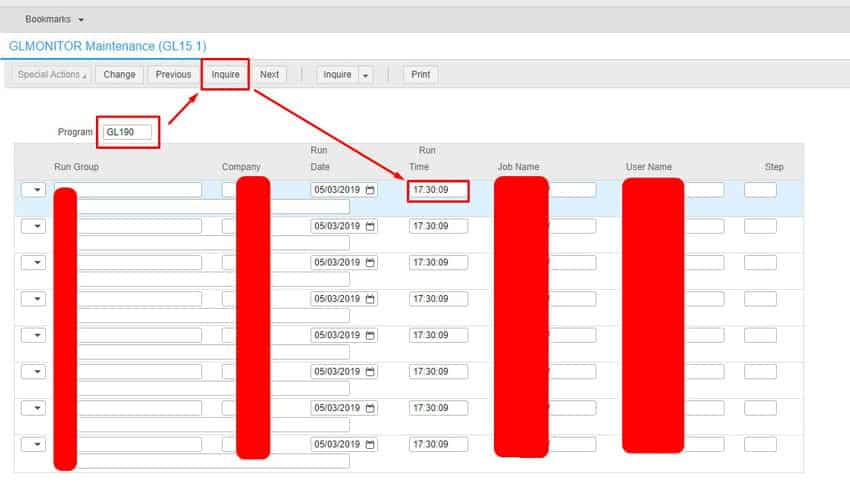
In GLMONITOR, type “GL190” and select Inquire. If you get results and notice the run time, the process is in fact still running and causing the issue with GL40:

Go to job scheduler by opening LID and typing in jobschd >> F7 + A to select all users >> Then W to go to waiting screen.

Look for any GL190 jobs running and verify the User Name is the same one in GLMONITOR when inquiring on GL190 program. Check the error and if its safe to recover, recover it and let the job complete.

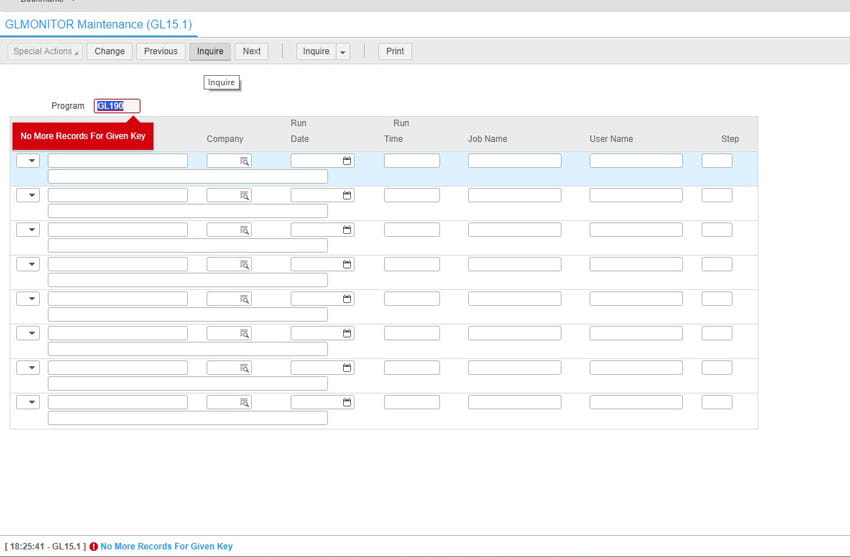
Go back to GLMonitor and inquire on GL190 to verify the job is no longer running:

Go to GL40.1 and release your Journal Entries. This should solve the error. Good luck!

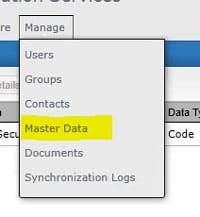
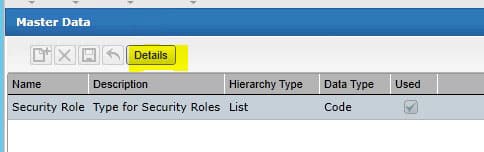
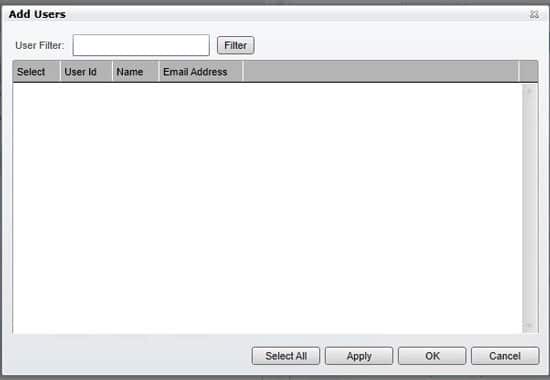
To mass assign security roles to users in IFS, first go to Manage > Master Data. Select “Security Role” and click “Details”. Choose the Security Role for which you want to assign multiple users. On the right side of the screen, click the “Add” button. A list of all users will be displayed. Select the users who should be in that role and click Apply and/or Ok. Click Save at the top.

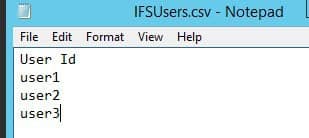
After your AD FS configuration, you will need to load users into IFS from LDAP. There is an option to search for each user and add them manually, but if you have a large group of Lawson users this can be time consuming. IFS also offers a mass upload using a CSV file. The CSV file needs to have a header, and the only value required is the samAccountName.

Create your CSV file, then go into Manage > Users in IFS. Click “Upload” and browse to your CSV file. Click Open and the users will be added into IFS.

The Independent Computer Consulting Group (ICCG) has changed their alliance partnership with Infor to Gold Channel Partners (in the Europe Sector). Building on their extensive relationship already, ICCG’s enhanced relationship with the IT giant will aid in their strategy to double their revenue in Europe within the next two years. ICCG will use Infor M3, Infor CloudSuite Industrial, and Infor CloudSuite PLM solutions to target the fashion, food and beverage, industrial manufacturing and equipment and rental industries. With more than 25 years of experience with Infor M3 solutions, integrating a more aggressive cloud strategy for their plans is the key focus. ICCG CEO Shiv Kaushik explains,  “The cloud focus means we can eliminate the maintenance issues that customers don’t want to handle. In addition, the cost savings of multi-tenant cloud create a very attractive option. This will enable us to address the day-to-day challenges of many businesses across Europe.”

For Full Article, Click Here

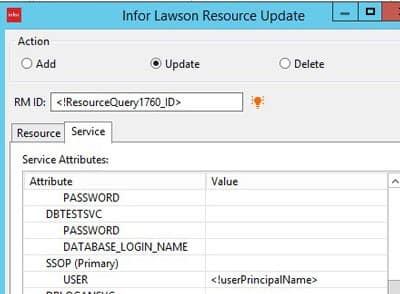
Once your AD FS configuration is done, you’ll need to update the SSOP identity with userPrincipalName for all of your users in Lawson Security.  IPA is a great tool for this task.

Some nodes that you’ll need include:

  • System Command – get AD users
    • Run a powershell command to get the samAccountName and userPrincipalName from Active Directory
    • powershell “Get-ADUser -Filter * -SearchBase ‘<OU Path (i.e. OU=Users,DC=company,DC=org)>’ | Select-object SamAccountName,UserPrincipalName | ConvertTo-Csv -NoTypeInformation”
  • Data Iterator to iterate through the results from the AD query
  • Resource Query
    • Get User by querying on SSOP value
    • <?xml version=”1.0″ encoding=”UTF-8″ standalone=”yes”?><TRANSACTION user=”user@company.org” method=”getRMQuery”><SERVICE><![CDATA[SSOP]]></SERVICE><SERVICEATTRS><SERVICEATTR><NAME><![CDATA[USER]]></NAME><VALUE><![CDATA[<!samAccountName>]]></VALUE></SERVICEATTR></SERVICEATTRS><OBJECT><![CDATA[People]]></OBJECT><ATTRIBUTES><ATTRIBUTE><![CDATA[ID]]></ATTRIBUTE></ATTRIBUTES><OUTPUTSERVICEATTRS/></TRANSACTION>
  • Resource Update
    • Using the ID from your Resource Query, Update the SSOP service

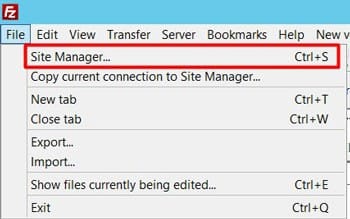
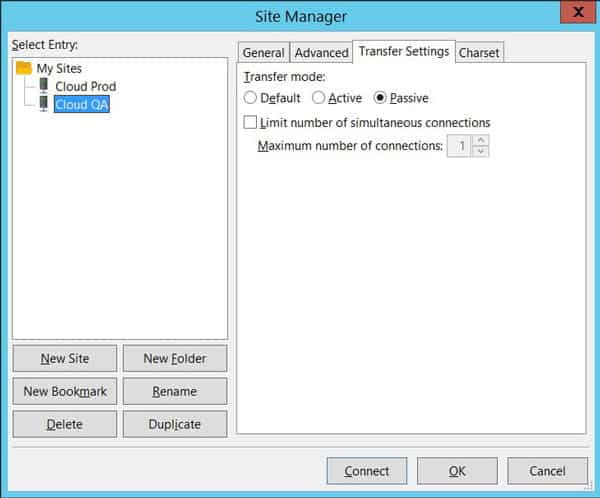
  1. First, ensure that the Transfer mode is set to Passive in FileSite Manager Transfer Settings


    Passive mode is the recommended mode for client computers behind NAT or proxy. In active mode, the client must accept connection from the FTP server. In passive mode, the client always initiates the connection.
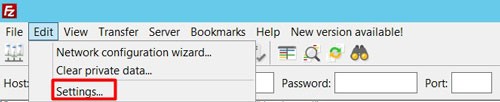
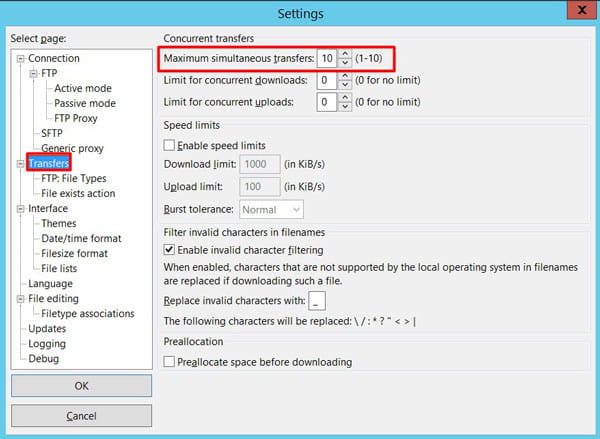
  2. Change Maximum Simultaneous Transfers to 10 in EditSettings Transfers

    As the name suggests, this increases the number of concurrent transfers that can occur to 10.

    If these tips do not improve your Filezilla transfer speed, it is probably due to some limit on your ISP or on the server you are connecting to. Some hosts place tight restrictions on FTP speeds so it may be worth contacting your ISP.

After configuring LSF for AD FS, we encountered a 500 error after a login smoke test. The error was begin logged in SystemOut.log for our AppServer. The error message was:

[4/30/19 14:31:41:287 PDT] 000000e9 ServletWrappe E com.ibm.ws.webcontainer.servlet.ServletWrapper service Uncaught service() exception thrown by servlet SSOServlet: java.lang.NoClassDefFoundError: org.bouncycastle.x509.extension.SubjectKeyIdentifierStructure

To troubleshoot this, we first regenerated and reloaded the ADFS Certificate to the LSF IdP Certificate in ssoconfig. This did not resolve the issue, so then we checked the java policy files. It turns out that the policy files were out-of-date. You need to update the policy files in JAVA_HOME and WebSphere. First, download the latest policy files from Oracle and IBM, and the BouncyCastle policy file from the BouncyCastle website.

To determine the directories which need the replacement files, first open a command line as administrator and type “where java”. This will show you where your main install of java is located. Go to this directory, then jre/lib/security and replace local_policy.jar and US_export_policy.jar. The BouncyCastle jar file will be located at jre/lib/ext. Matching files must also be stored in your WebSphere java home. To figure out where this directory structure will be, open SystemOut.log and scan for the last time the AppServer was started.  “Java Home” will be displayed there. The directory structure will be the same as your main java install.

Remember to backup/rename your old policy files and copy the new ones to these directories. You’ll have to stop your WebSphere services and kill all java processes before you can do this.

Enterprise Resource Planning (ERP) has revolutionized the way businesses operate. With the help of technologies such as the internet of things (IoT) and artificial intelligence (AI), almost every industry could benefit from an effective ERP system. Smart manufacturing companies, for example, could benefit from automation and value-added advancements to their development process. An Article in CIO Review highlights some of the benefits of effective ERP use in smart manufacturing.

  • Accelerating business automation – ERP automation allows a workforce to focus on supervising and monitoring automated methods, which adds to increased productivity and operational accuracy.
  • Enhancing customer experience – ERP maintains accurate periodic-based customer follow-ups, provides practical insight into service capabilities and involves customer-focus ideas.
  • Enabling deeper visibility and insightful decision-making – With high-tech visibility options, ERP enables the workforce and the managers to monitor and manage processes from remote locations.

For Full Article, Click Here

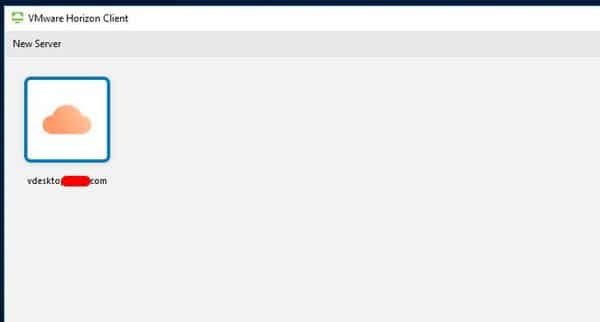
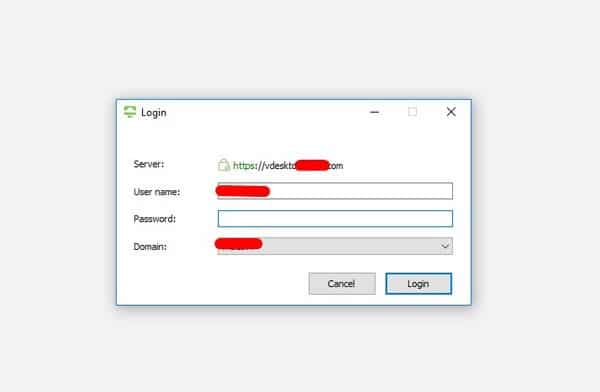
First, you’ll need to connect to your installed VMWare Client:

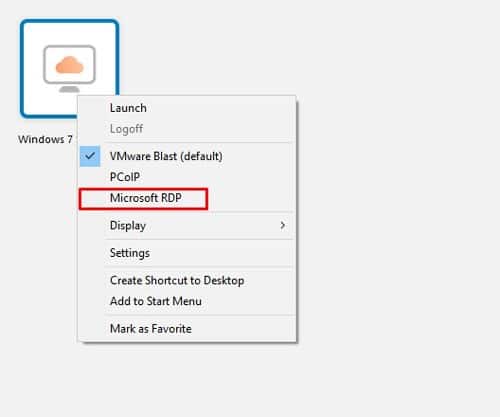
Now before connecting to the virtual server, right click the connection and select Microsoft Remote Desktop:

Once this is selected, you’ll be able to connect to the host Virtual machine and use VMWare as if it was Microsoft Native Remote Desktop Protocol.

One of the biggest advantages of this is being able to copy and paste files to and from the VMWare client using CTRL + C and CTRL + V.

The other Protocol settings can be used as well.

VMWare Blast is optimized for mobile cloud and consumes less CPU in case you’re trying to save battery life.

PCoIP may be better optimized for use when a poor internet connection but results will likely be equal to the other options.