
Today’s consumer-focused companies rely on teamwork and data-informed decisions to fuel growth, but their main challenge is ensuring that actionable insights come from trustworthy, well-structured, and readily available data sources. Lori Schafer, Forbes Council Member and CEO of Digital Wave Technology, shares an article that emphasizes the importance of robust data governance and efficient processes for modern consumer-facing organizations that rely on data-driven decisions. It highlights the distinction between merely collecting data and being responsible stewards of it—ensuring data is accurate, accessible, and well-organized through smart cleansing, enrichment, and management practices. Key challenges in data management include sourcing high-quality data, overcoming silos and incompatible systems, and reformatting information to fit organizational needs. Traditional extraction methods can be slow and costly, but emerging technologies like Generative AI (GenAI) are transforming data processes. GenAI enhances the ETL (extract, transform, load) workflow by identifying inconsistencies, filling gaps, and verifying data integrity, resulting in cleaner, more reliable datasets. The article underscores the role of AI in securing data access through attribute-based controls and automated classification, enabling granular permissions across departments. It advocates for appointing dedicated data governance leaders to oversee standards, security, and collaboration. Ultimately, organizations must foster a culture that values data integrity, invest in AI-powered tools, and establish clear governance protocols to ensure real-time, accurate data insights—crucial for maintaining competitiveness and operational agility in today’s marketplace.

 

For Full Article, Click Here

To find out your EMSS (Employee and Manager Self-Service) version, please run the following command in LID (Lawson Interface Desktop):

 rngdbdump logan version | lashow

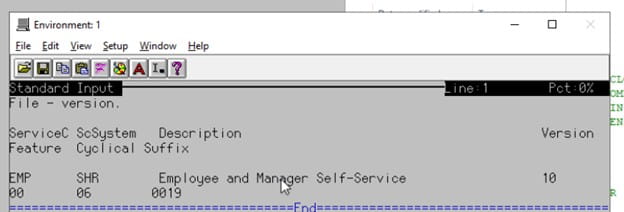
The command rngdbdump logan version | lashow is used to get the EMSS version. This command is designed for Lawson environments. In a Lawson environment with LID is intended to extract version information from the logan database file, and display the extracted version information.

When you run the command, you will get a screen similar to the one shown below. There, you can look up your EMSS version on your Lawson environment.

Heiko Claussen, Forbes Council Member and Chief Technologist at Emerson’s Aspen Technology business, share an article explaining the the evolving role of data and AI in industrial sectors. While traditionally, effective AI relies on high-quality, field-collected data, purpose-built industrial AI—especially in industries like oil, gas, and chemicals—can operate effectively using simulation models and first principles without extensive field data. Nonetheless, access to well-managed, contextualized data remains crucial for deriving actionable insights and optimizing operations. The article highlights the explosion of industrial data, citing estimates of up to 130 zettabytes generated in 2023, yet notes that only a small fraction is actively utilized due to data silos and inconsistent formats across systems. To address this, centralized data management tools are increasingly vital for aggregating, contextualizing, and automating the integration of diverse data sources, thereby enabling faster and more effective use of data. In terms of AI applications, purpose-built industrial AI can tackle operational challenges even without initial field data, relying on models and domain expertise. However, incorporating real-time, contextual data enhances AI accuracy and predictive capabilities—particularly for maintenance and operational optimization—thus bridging the gap between simulation and real-world conditions. Claussen concludes by discussing strategies for transitioning to improved data management systems, emphasizing incremental implementation to maintain business continuity. Overall, well-managed, contextualized data combined with advanced AI tools is key for industrial organizations aiming to boost operational excellence and maintain competitive advantage amid an increasingly complex technological landscape.


For Full Article, Click Here

Problem
We need to make a change in TEST to AP10 custom form.


Next steps:

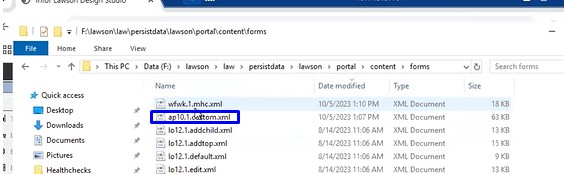
Backup the existing AP10 custom file and copy the new version, ap10.1.custom.xml  file to Prod  F:\lawson\law\persistdata\lawson\portal\content\forms
There is no impact to users and no outage required.
After the change is in place, AP10 users will need to clear their browser cache and cookies and an IOSCacheRefresh will need to be run to clear the DS from Portal.

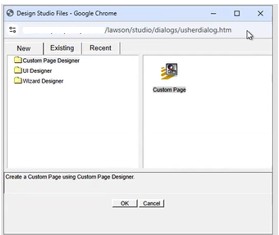
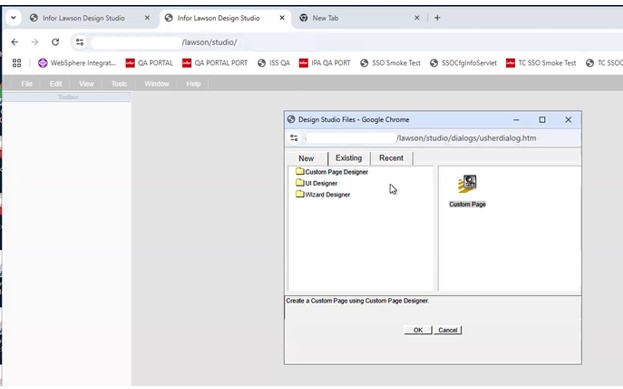
  1. Open DS and Go to the existing tab
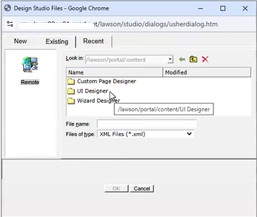
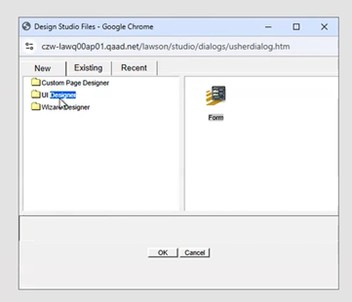
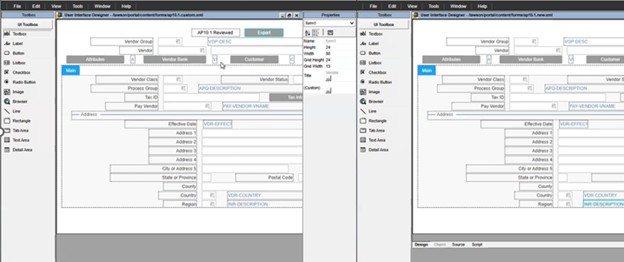
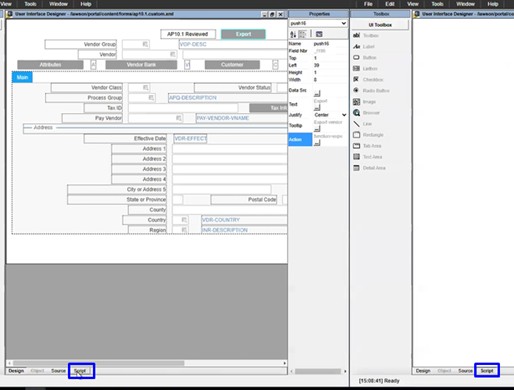
  2. Go to UI Designer,


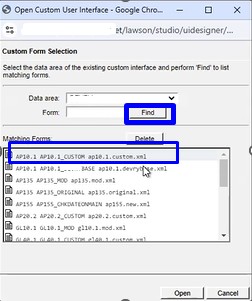
  1. click on Find, The top one which is custom is the one we want to view. Select and Open


  1. Now go to browser tab and duplicate the tab to open a new window


  1. Create a new UI Designer. Select and hit ok


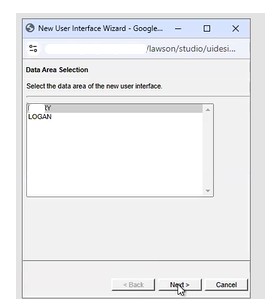
  1. Go to Next
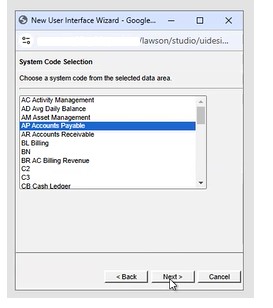
  2. Create a new form in the Productline in AP System


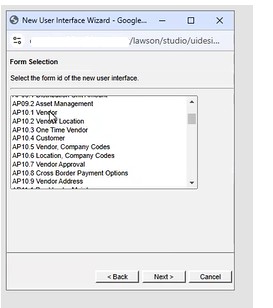
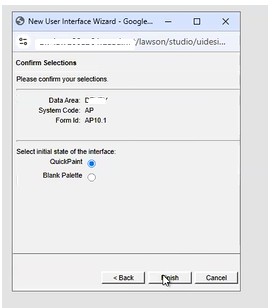
  1. Click next and give it a second to load. Find AP10 and NEXT
  2. And Finish


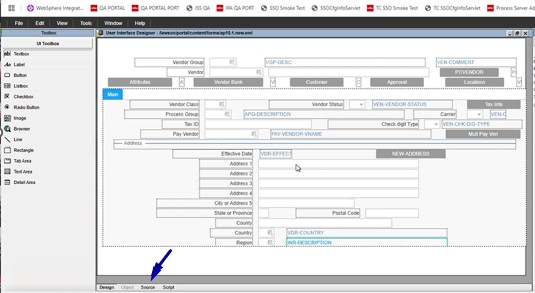
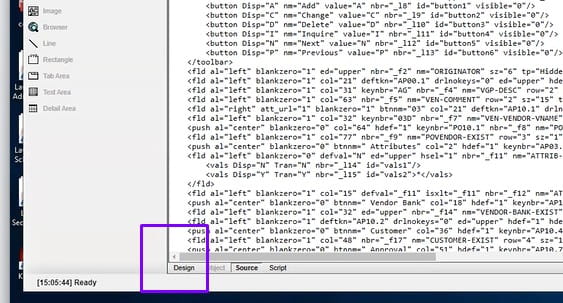
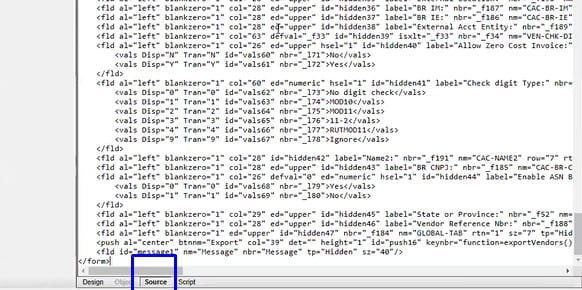
  1. Go to source at the bottom
  2. Scroll all the way to the top to see if it is different

  1. Shows it is a different version
  2. Go back to design tab
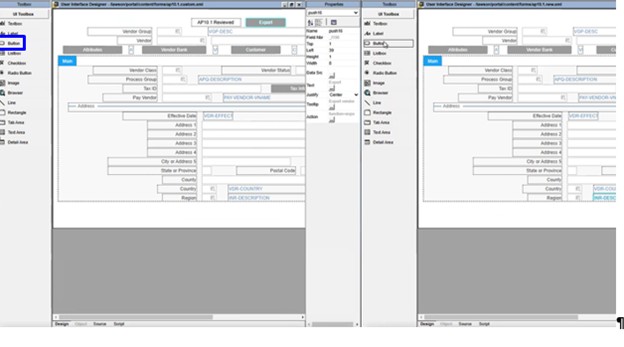
  3. Place browser side by side to work with both

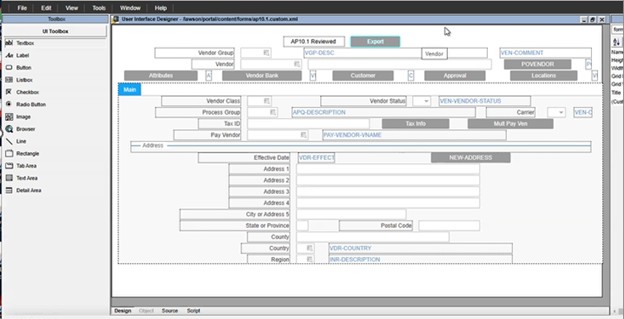
The ap10.1 reviewed is the customization

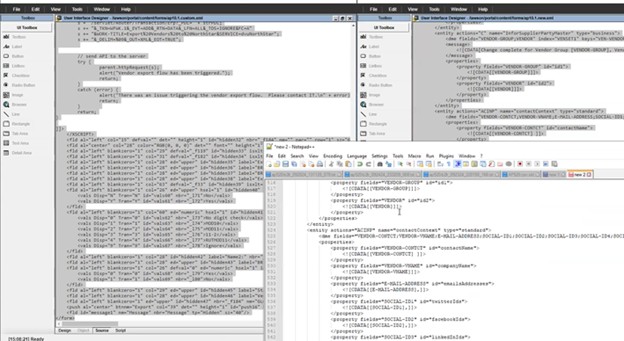
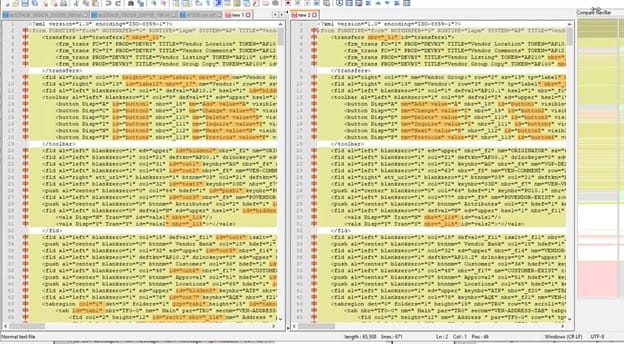
  1. Go to source on bottom tab and copy that into notepad++ and do the same thing with the other one.

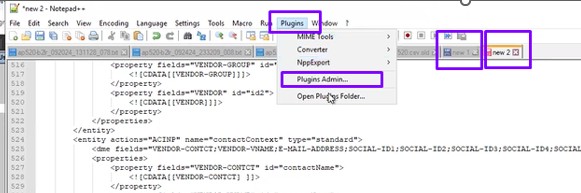
  2. Go to plugins

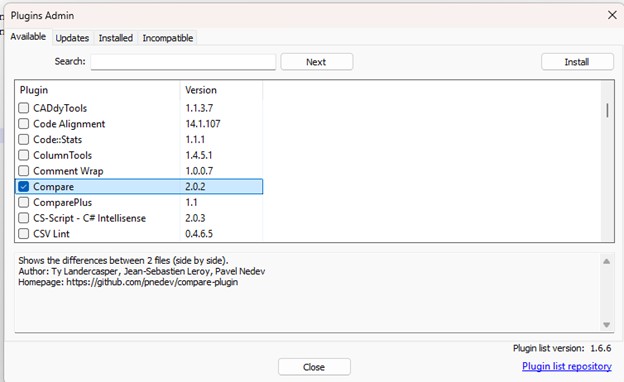
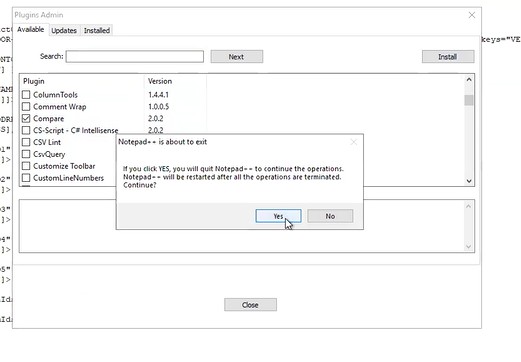
Look for compare and check it and click install

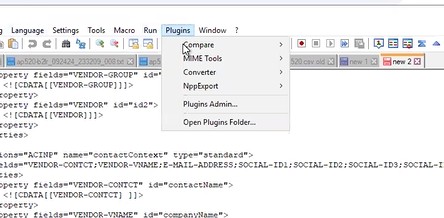
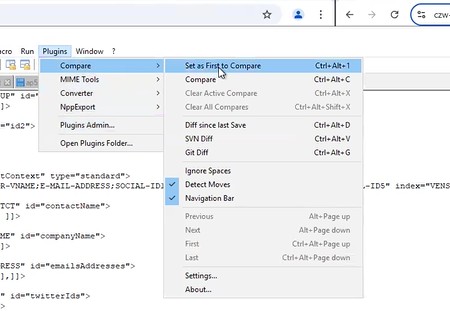
Then go back to plugins admin/compare and

Compare/compare

  1. If that is not helpful, they may have had something in there that they have since commented out.

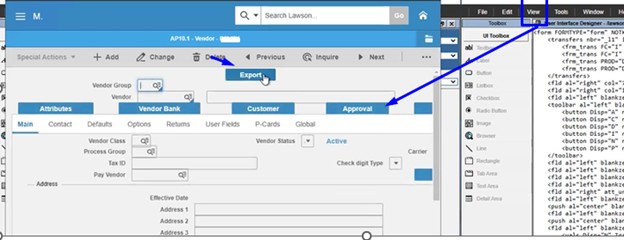
Just add the export button to a fresh form and overwrite the old one.

  1. Go to the script on the right had window
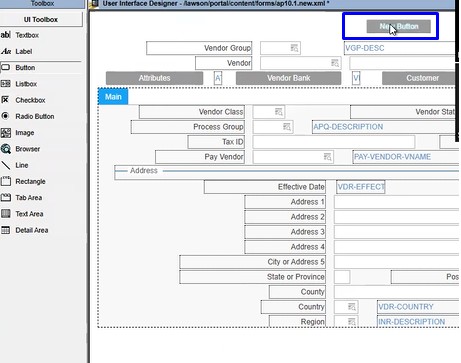
  2. Double click on the button label and drag it to position.

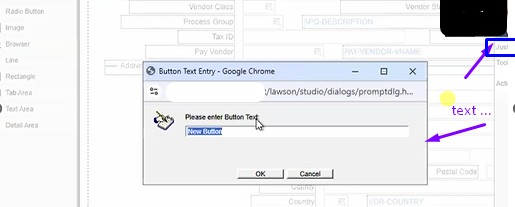
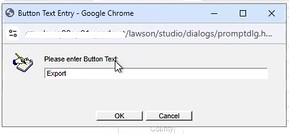
  3. Click on Text button

Type export

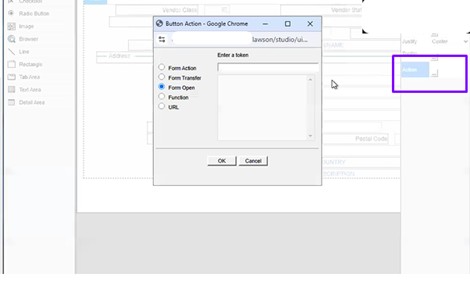
  1. Click on Action

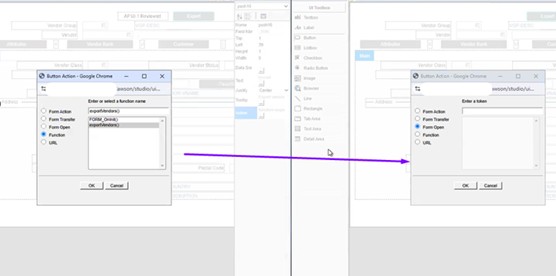
This tells you want you want it to do, so go to the other screen and copy what that one has

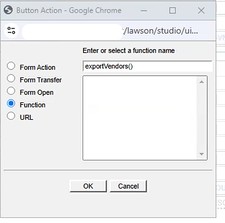
  1. Just add export vendors

Since they have old code, we don’t need the other one

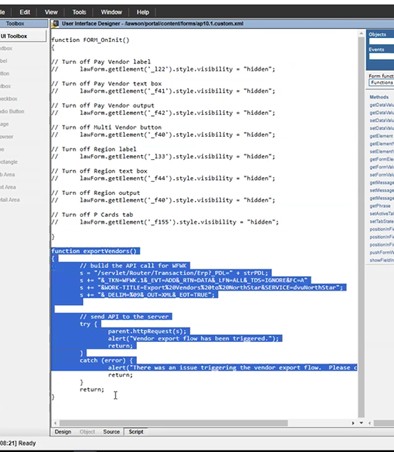
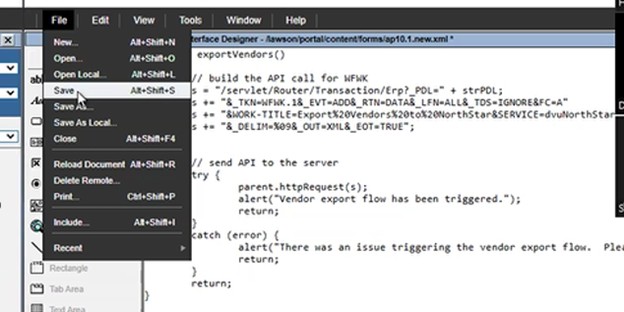
  1. Now go to script to add lines to make it work
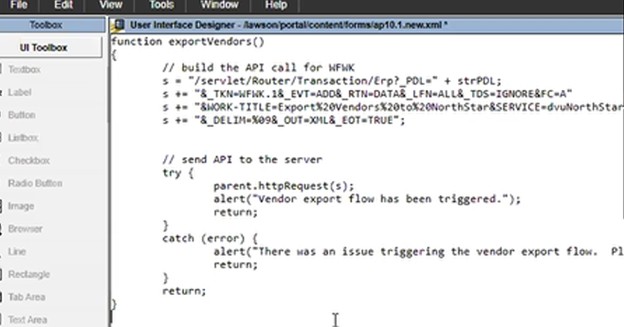
  2. Copy the function that is needed
  3. Paste it in the new screen
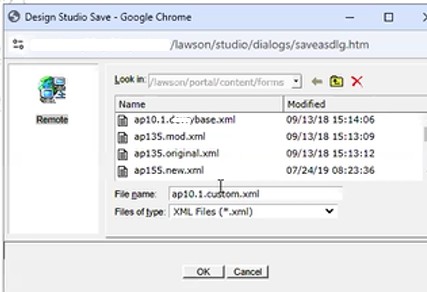
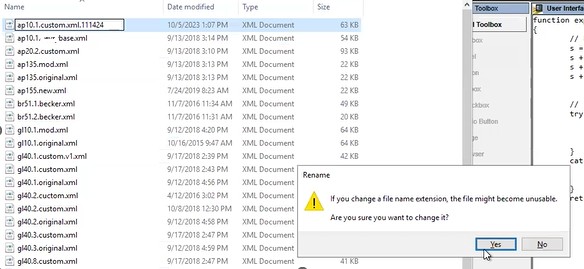
  4. backup original file in the LAWDIR/persisdata/lawson/portal/content/forms folder

  5. Save the script that was modified

  6. Go to view and preview on tool bar
  7. Validate if it now works.
  8. Migrate to PROD by copying the xml file to PROD.
  9. Clear browser data and Refresh cache so users can now see the updated version.


Enterprise finance is shifting from manual, transactional systems to intelligent, real-time platforms, but success requires more than just adopting new software—it demands a strategic and well-structured finance architecture. Forbes Council Member and Cloud Solution Architect Rahul Bhatia shares an article emphasizing that many ERP (enterprise resource planning) implementations focus too much on “going live” rather than building a robust, scalable financial foundation. Common pitfalls in ERP projects include:

  • Inconsistent financial setups across regions
  • Neglected compliance leading to costly fixes
  • Promised AI and automation features that never arrive
  • Poorly scaled integrations with key systems
  • Disconnected ESG and financial reporting

These issues stem from a lack of strategic planning, not from flaws in the technology itself. Without a thoughtful, future-ready finance architecture, organizations struggle to achieve the full value of ERP investments. Successful finance transformation requires alignment across strategy, systems, structure, and people. Using McKinsey’s 7-S Framework, Bhatia suggests, organizations can ensure their finance architecture supports business goals, minimizes fragmentation, and empowers internal teams with the right tools and skills. ESG, compliance, and transparency must be built in from the start—not added later. Many companies fail to scale digital finance initiatives because early efforts lack standardized, repeatable models. Starting with a solid architecture enables scalable, compliant, and lower-risk implementations. While going live may seem like the ultimate goal, in reality that’s just the beginning of true digital finance transformation. To lead innovation, Bhatia concludes, finance teams must focus on creating sustained value through intelligent, compliant systems built with purpose, rather than merely chasing milestones.


For Full Article, Click Here

Enterprise resource planning (ERP) systems are designed to streamline business operations, but many companies are hindered by outdated versions that create more problems than they solve. In an article shared on Yahoo tech (originally from the Daily Upside), tech writer Nat Rubio-Licht explores why updating outdated ERP systems is so difficult. Key issues include deep system customizations over time, high implementation costs, user resistance, lack of vendor incentives for adoption, and poor change management. Challenges include technical debt, employee resistance to change, and the disruption modernization causes to daily operations. Vendors may support technical transitions but that isn’t enough to ensure a successful adoption. These factors – and much more – make modernization a daunting but increasingly necessary task for businesses. Despite the hurdles, modernizing ERP systems is increasingly necessary to stay competitive.


For Full Article, Click Here

In Lawson v10, Admin users would have direct access to system logs but in the cloud, you’re access is limited to FTP access.

Problem: Reviewing IOS and LADB logs live is more difficult through FTP since you’re unable to download or view a file that is currently being written to. To get around this you simply use the copy line command or cp.


To understand this process, follow the steps below:

Step 1: Open LID and connect to the Lawson environment you want to access logs from.


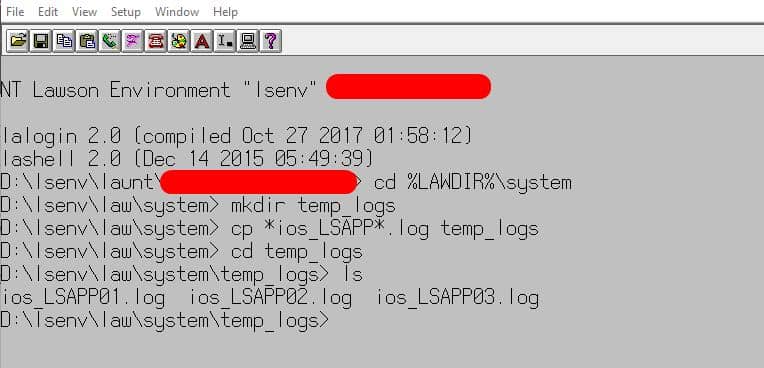
Step 2: Go to %LAWDIR%\system directory


Step 3: Create a new folder in %LAWDIR%\system directory, command is: mkdir temp_logs (this will create a folder called temp_logs)


Step 4: In %LAWDIR%\system type this command (change based on your log names):

cp *ios_lsapp*.log temp_logs


Step 5: Go to %LAWDIR%\system\temp_logs and run the ls command to view your copied log files or simply download them from the FTP.


Here is a screenshot of my results:

If you found this article helpful, Nogalis offers expert technical resources for managing Lawson Cloud environments. Whether you’re dealing with FTP restrictions or need assistance with accessing logs, our team is here to provide guidance and support. Contact us to learn more about how we can assist with your Lawson system needs.

Recently, Riverina Water, a local government water utility in New South Wales, Australia, has successfully implemented Infor CloudSuite Public Sector to modernize its operations and enhance customer service. The deployment, which followed a competitive tender process, includes Infor Financials & Supply Management, Infor CIS Billing, and Infor Birst for analytics and business intelligence. This strategic move aims to replace legacy systems, improve cost management, and provide real-time, mobile-accessible services to over 77,000 customers across four local government areas. Per the press release, in just the first two months of going live, Riverina Water reported significant improvements, including automation of manual processes and enhanced customer satisfaction. A recent survey indicated a customer service satisfaction score of 4.69 out of 5. The utility plans to expand the deployment to include asset management, supply chain management, and Infor’s managed service, CareFor. Infor’s CloudSuite Public Sector was selected for its industry-specific capabilities, flexibility, and scalability, aligning with Riverina Water’s goal of becoming a customer-centric organization. The partnership underscores Infor’s expertise in guiding utilities and public sector entities through digital transformation.
 

For Full Article, Click Here

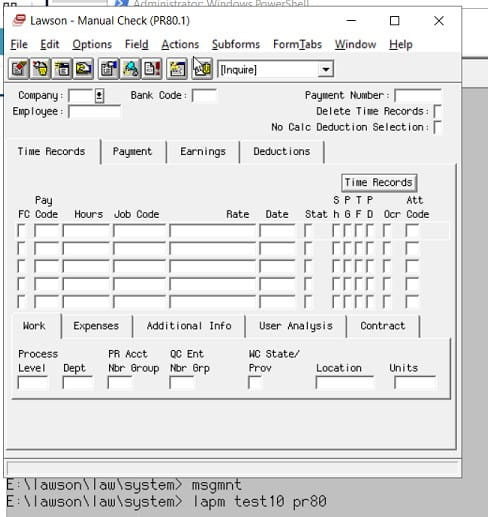
BSI Support has asked for a BSI Display Log.  Use this method to configure your system to create the logs.

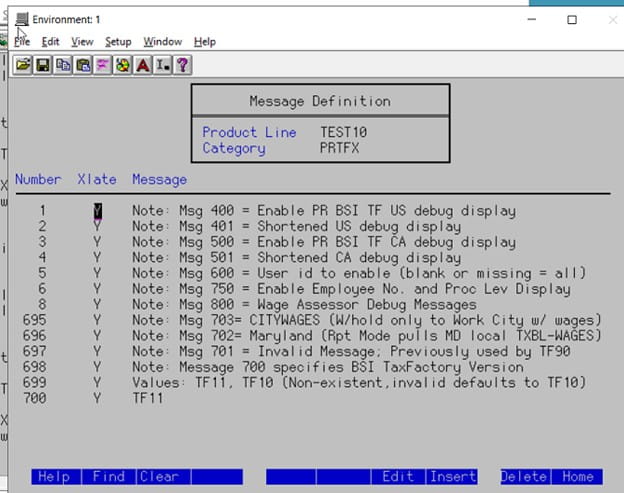
Open msgmnt and enter your Product Line and enter Category ‘PRTFX’.

Look in the Number column to see if the Number 400 appears.  If there is not a message 400, you will need to add it.

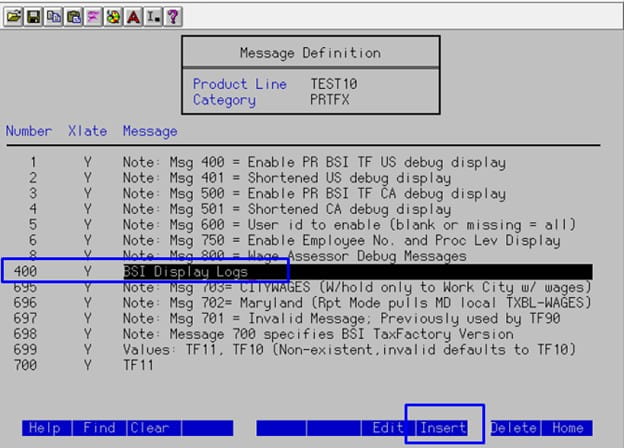
You can either Tab or Down Arrow to get to a position to enter the 400 line.

Use the F8 key to Insert a line.

Type 400 in the Number column.

Type Y in the Xlate column.

Within the Message portion, type in the fix for the message

After pressing Enter twice, the 400 message will appear in the appropriate order and has been added to the listing.

Now go to PR80, create a payment and Calculate

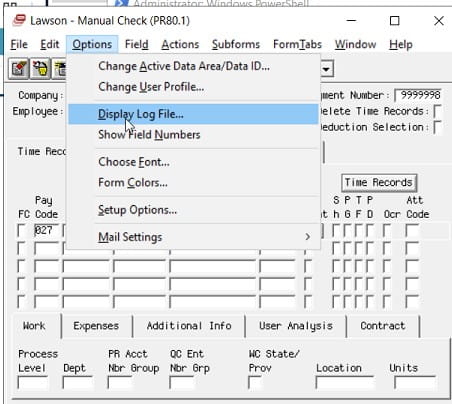
After the PR80 has been successfully calculated, click on Options > Display Log File


The Display Log will appears in a new text editor.  Save the file as ‘BSIDisplayLog’ and send the file to BSI.


In the article by Tom Chapman, published on Supply Chain Digital, the author explores three major challenges facing industrial manufacturers today: complex supply chains, talent shortages, and the urgent need for digital transformation. Ashcroft outlines how these pressures are reshaping the industry and what companies can do to adapt. Industrial manufacturers are dealing with increasingly complicated supply chains due to globalization and expanding product lines. This complexity often results in delays, shortages, and difficulties managing suppliers and components. Events like the COVID-19 pandemic exposed just how vulnerable these systems can be. At the same time, the industry is experiencing a significant shortage of skilled workers. It’s difficult to find talent that can manage advanced systems or keep operations running efficiently. This gap affects both short-term performance and long-term innovation. Digital transformation is another critical area. Manufacturers must upgrade legacy systems and adopt technologies such as AI, machine learning, and data analytics. These tools can improve demand forecasting, inventory management, and visibility across the supply chain. However, many companies struggle to implement these solutions due to poor data quality, aging infrastructure, and limited internal expertise. Software giant Infor offers industry-specific solutions to help manufacturers meet these challenges. Their tools integrate supply chain management with enterprise resource planning (ERP) systems to boost agility and responsiveness. Infor’s approach emphasizes real-time data, better collaboration with suppliers, and more accurate forecasting. These capabilities are crucial for competing in today’s fast-moving industrial environment. By investing in smart technology and workforce development, manufacturers can position themselves for long-term success. Ultimately, Ashcroft highlights how navigating these triple challenges—supply chain complexity, talent shortages, and digital transformation—is key to staying competitive in a rapidly evolving market.


For Full Article, Click Here