844-NOGALIS (844-664-2547)
Nogalis, Inc.
  • Link to Facebook
  • Link to X
  • Link to LinkedIn
  • Link to Mail
  • Company
    • News, Events and Articles
    • About Us
  • Products
    • Infor Lawson Data Archive
    • PeopleSoft Data Archive
    • Oracle Data Archive
  • Services
    • Infor Lawson Support
    • Infor Lawson / CloudSuite Consulting
  • Education & Training
  • Support
  • Contact Us
  • Click to open the search input field Click to open the search input field Search
  • Menu Menu

Creating an LBI Dashboard Series – Adding a Module (Part 2)

Articles, Frontpage Article

To start at the beginning, check out Part 1 of this series titled: “Creating an LBI Dashboard Series – Getting Started (Part 1)”


For this part in the series, we will be adding a simple module to our new LBI Dashboard.

  1. First login into LBI environment as an admin user.
  2. Go to your newly created dashboard
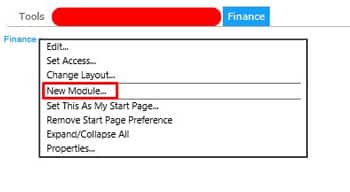
  3. Click the + icon on the top left and select “New Module”
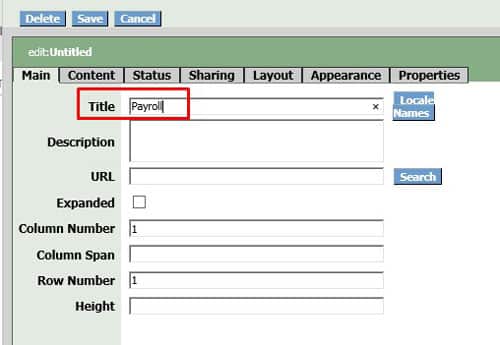
  4. On the Main tab, title your module, ours will be called “Payroll”
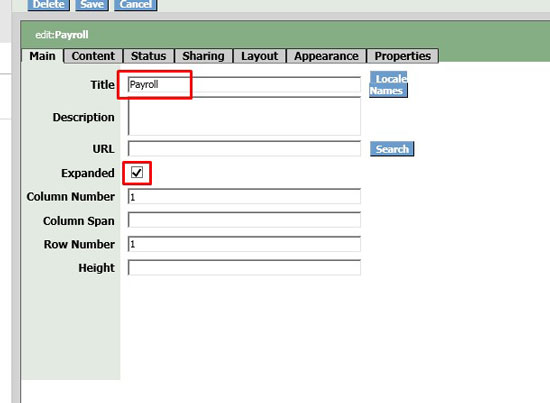
  5. By Default, the module will inherit access from the Dashboard itself, if you want to further restrict each module to separate users, you would do this again here. The expanded checkbox is great for convenience as the Module will be expanded by default:
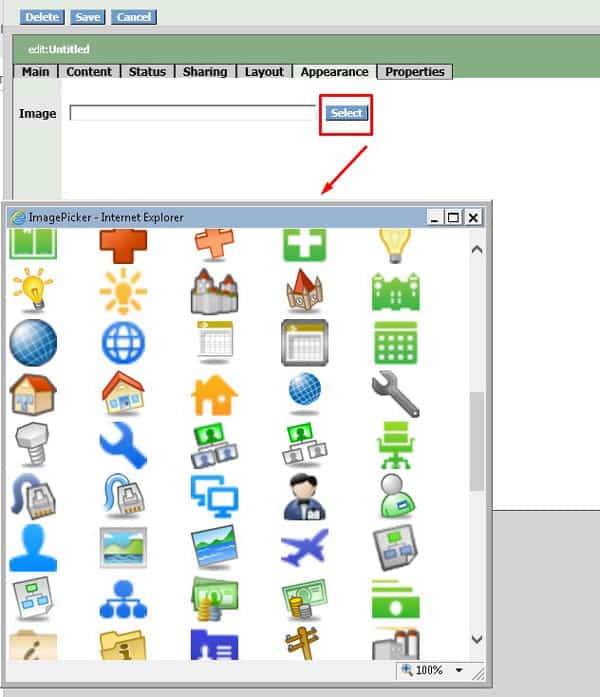
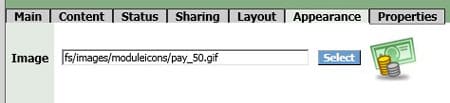
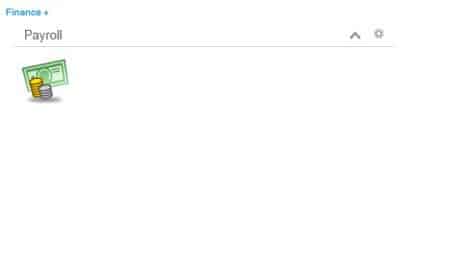
  6. Go to Appearance Tab and select a Icon for your module to help distinguish it from others, we will select the money icon for Payroll module:

  7. When done select Save and you should see a blank Module in your dashboard:
  8. To add reports to this module, click the gear wheel icon in the top right of the module and select Add Items and then Search. You can also select a direct URL but this is much easier.
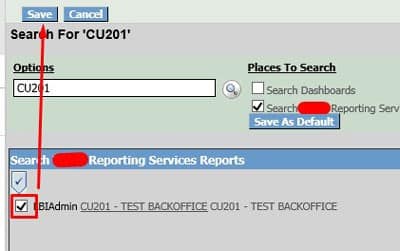
  9. A Searchbox should come up, this is to search all existing LBI reports. Type in the report name you want, check “Search Reporting Services Reports” and click the search icon to see the results.
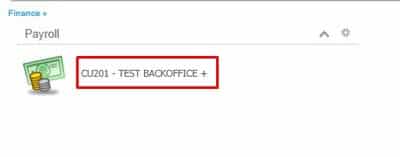
  10. Once you find your report, select it and click Save:

You’ve created a report module in your dashboard and added your first report!
That’s all for this article, keep an eye out for more in our LBI Dashboard series.


Retiring Lawson, PeopleSoft, or Oracle? APIX archives the entire application — every table, every year, attachments and security included — into your own AWS account in about 30 days, so you can decommission the legacy system and keep full access to the history.

See how the APIX ERP archive works →

01/27/2020
Share this entry
  • Share on Facebook
  • Share on X
  • Share on WhatsApp
  • Share on LinkedIn
  • Share on Reddit
  • Share by Mail
https://www.nogalis.com/wp-content/uploads/2020/01/Creating-an-LBI-Dashboard-Series-Adding-a-Module-Part-2.jpg 470 470 Angeli Menta https://www.nogalis.com/wp-content/uploads/2013/04/logo-with-slogan-good.png Angeli Menta2020-01-27 07:17:302020-01-21 15:34:16Creating an LBI Dashboard Series – Adding a Module (Part 2)

LEGACY ERP DATA ARCHIVE SOLUTION


Discover how our clients are leveraging AWS services to archive their Legacy ERP data and provide ubiquitous access to users via a light-weight, secure, and read-only web interface. Secure, Fast, Reliable, and Cost Effective. That is the promise of APIX. Follow the link below to find out more and book a discovery call with our data archive specialist.

BOOK DEMO

© Copyright - Nogalis, Inc. 2026
  • Legal
  • Privacy
  • Contact Us
Link to: Pechanga Resort Casino Drives Automation and Visibility with Infor CloudSuite Link to: Pechanga Resort Casino Drives Automation and Visibility with Infor CloudSuite Pechanga Resort Casino Drives Automation and Visibility with Infor CloudSui... Link to: Corrective Services NSW Selects Infor to Achieve Critical Workforce Utilisation Efficiencies Link to: Corrective Services NSW Selects Infor to Achieve Critical Workforce Utilisation Efficiencies Corrective Services NSW Selects Infor to Achieve Critical Workforce Utilisation...
Scroll to top Scroll to top Scroll to top