
How the Cloud Killed Traditional ERP and Replaced it with Something Much Better
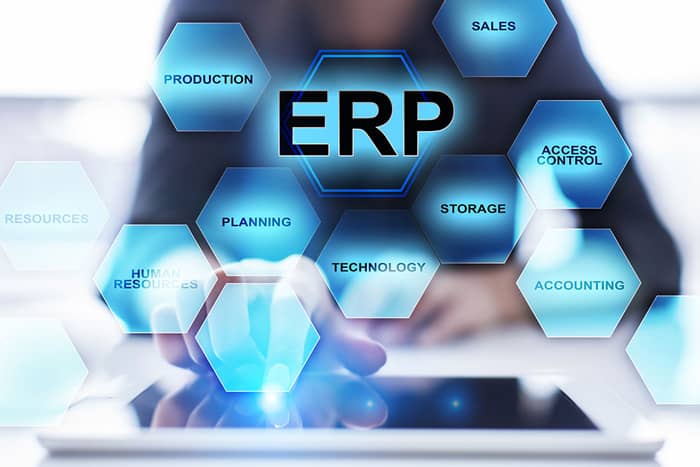
Enterprise software is undergoing a major transformation as cloud computing reshapes how companies run their operations. In an article published by Slashdot, the publication explains how the ERP (enterprise resource planning) industry evolved—led by its original pioneer, SAP. For decades, ERP systems served as the backbone of corporate IT. Originating from manufacturing resource planning in the 1960s, ERP platforms eventually expanded to manage finance, HR, supply chains, and operations across entire organizations. But traditional ERP was notoriously complex and expensive. Deployments could take years, required dedicated hardware and specialized staff, and upgrades were risky due to heavy customization and tight connections with legacy systems. The rise of cloud computing in the early 2000s began to challenge this model. Software-as-a-service allowed businesses to rent scalable applications instead of running massive on-premise systems. Real-time data sharing, e-commerce growth, and the emergence of AI demanded faster, more flexible software—something traditional ERP struggled to deliver. Early cloud ERP solutions, including those pioneered by NetSuite, helped smaller companies adopt more agile systems. But larger organizations still faced complexity when migrating from legacy platforms. The real shift came when SAP re-engineered its flagship ERP for the cloud. Instead of an all-in-one monolithic system, SAP introduced a cloud-native architecture centered on a lightweight core that orchestrates operations while connecting to specialized applications, services, and third-party tools through APIs. This modular approach delivers several advantages: faster innovation, easier configuration instead of heavy customization, and scalability that works for both small businesses and global enterprises. In effect, ERP is evolving into something broader—a cloud platform that unifies data, applications, and AI across the enterprise. The main takeaway is this: cloud computing didn’t just modernize ERP—it fundamentally redefined it.
Retiring Lawson, PeopleSoft, or Oracle? APIX archives the entire application — every table, every year, attachments and security included — into your own AWS account in about 30 days, so you can decommission the legacy system and keep full access to the history.

